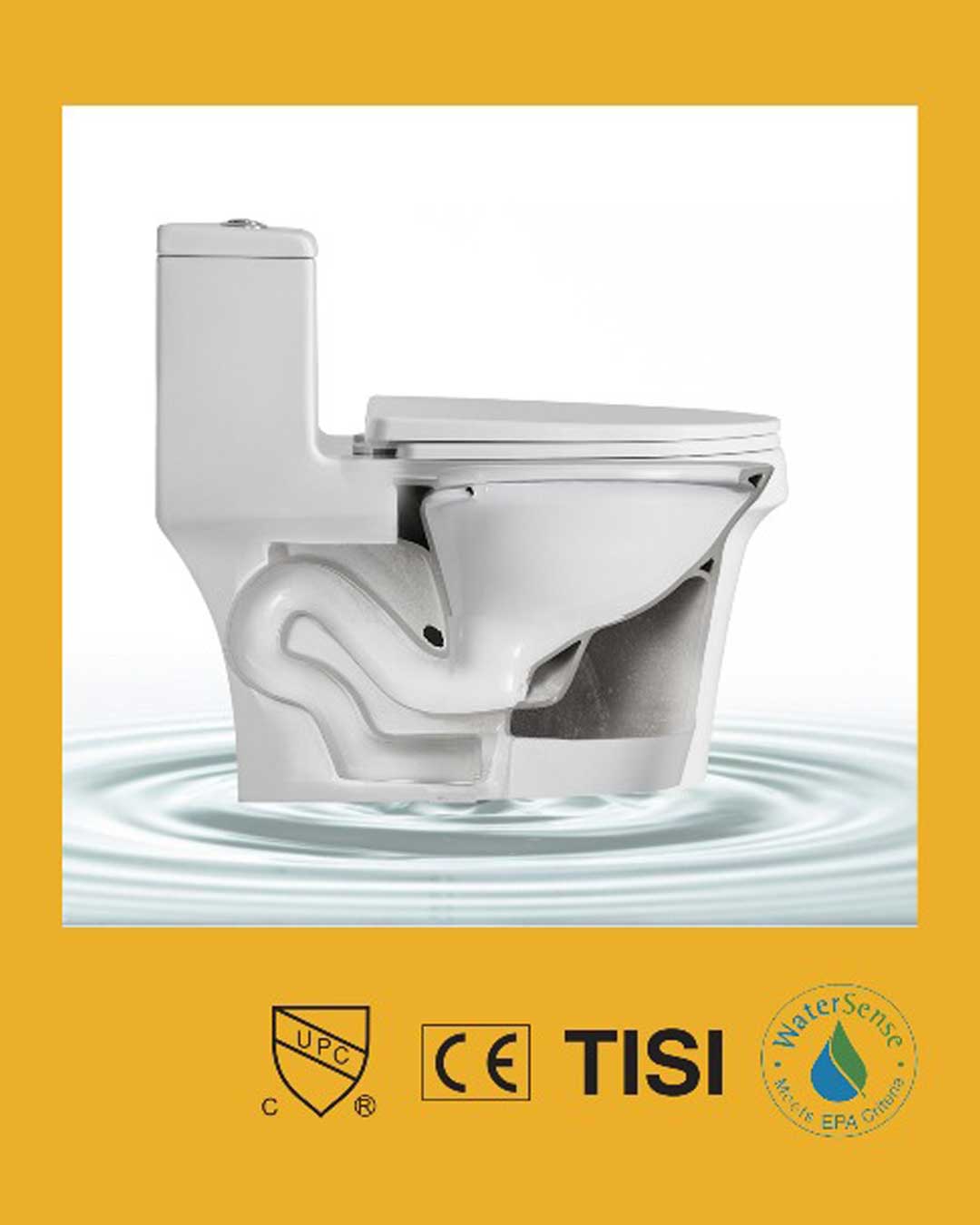
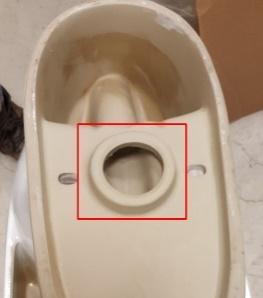
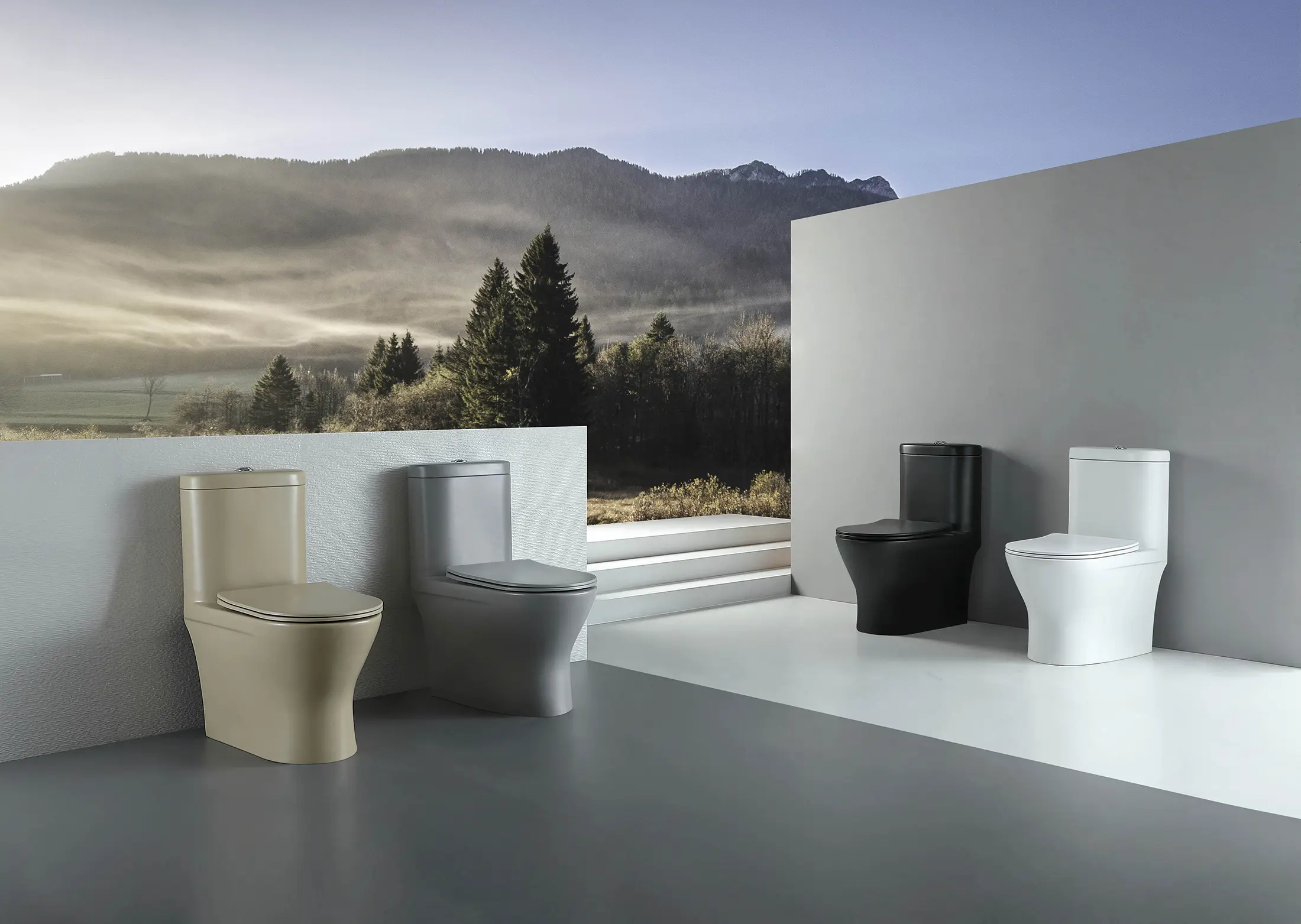
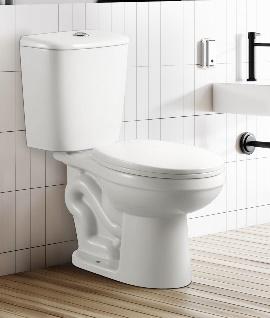
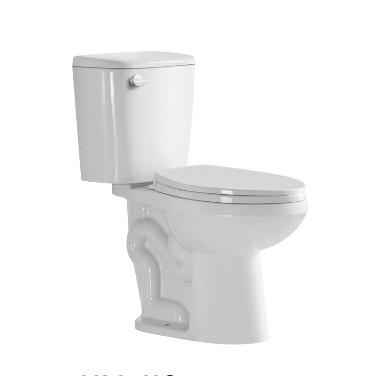
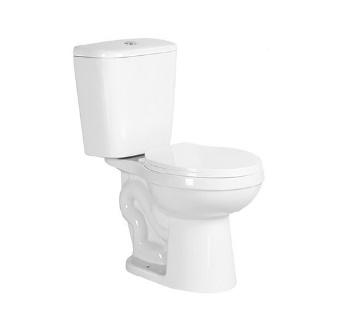
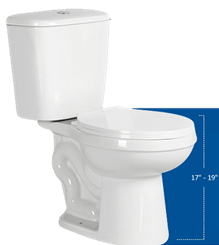
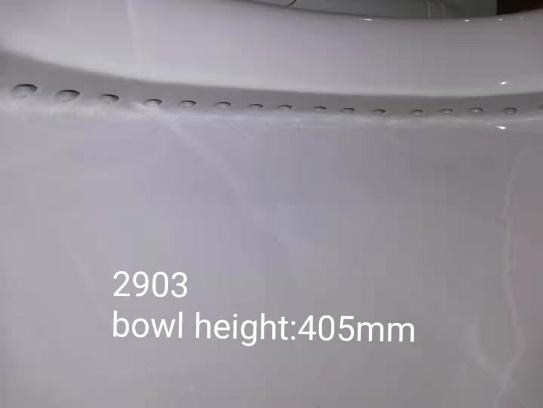
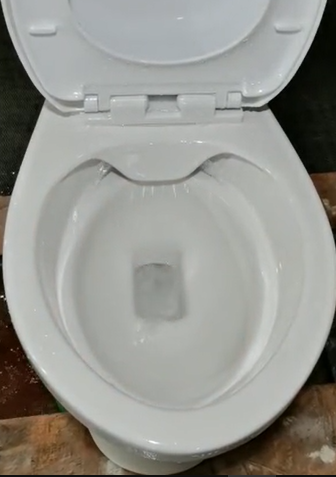
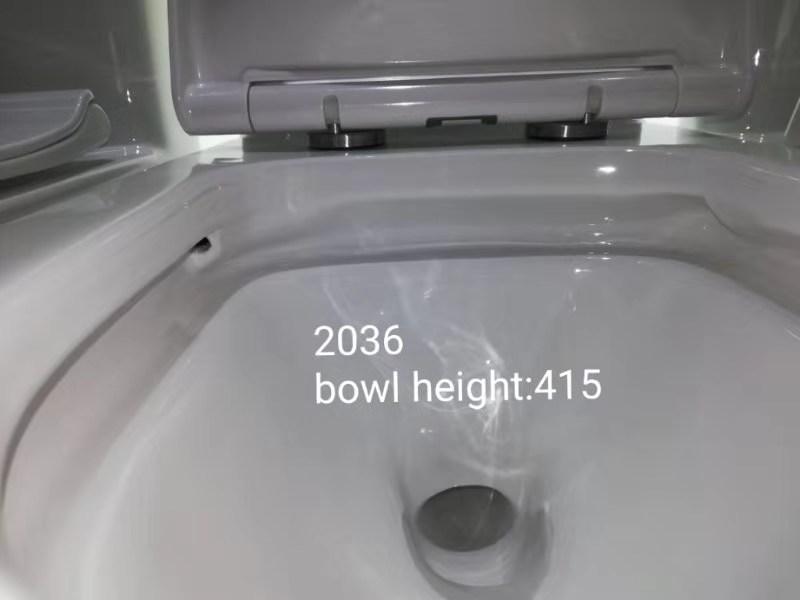
A trapway is the bended pipe where waste or flushed dirty water leaves the toilet bowl to the drain tube that connects with the sewer system. The bend in the pipe forms a water seal that prevents odors to rise, so it becomes a trap. There are two main trap forms in plumbing regarding toilets: S-Traps and P-traps.
S-trap
S-traps are traways which shape is like a letter S and there is where the name comes from. S trap drain outlets in toilets are always to floor then all S-trap toilets are necessarily floor standing. On the other hand, S-trap toilets could be either Wash down or siphonic toilets.
P-trap
P-trap is a traway which shape is like a letter P and that is where the name comes from. P trap drain outlets in toilets are always to wall. P-trap toiles could be either floor standing, or wall hung. But all P-trap toilets are only Wash down since Siphonic toilets are restricted to S-traps.
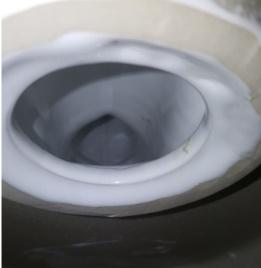
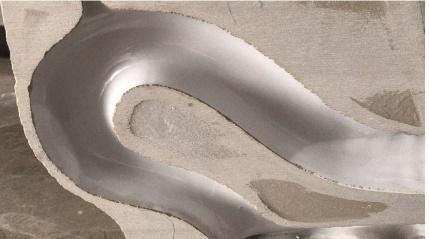
Trapway glazing
Trapways can be fully glazed or not, semi glazed and partially enameled painted.
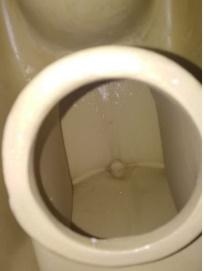
It is always better to glaze the trap way because they become slippery and water can run smoothly through it preventing clogs and water filtration in porous ceramic. Non could weaken the structure or cause odors in the long run. Glazed trapways can also grant a more powerful flush to toilets though toilets with such traps tend to be more expensive for the extra material and complex labor involved.
Wash Down toilets tend not to have a fully glazed trapways because their pipes are larger in diameter and shorter in distance then there is not much sense to glaze a toilet which hardly clogs and where water finds its way out very fast. Being the trapway diameter also larger in these kind of toiles, the process of glazing the trap becomes very expensive too.
Rough-in
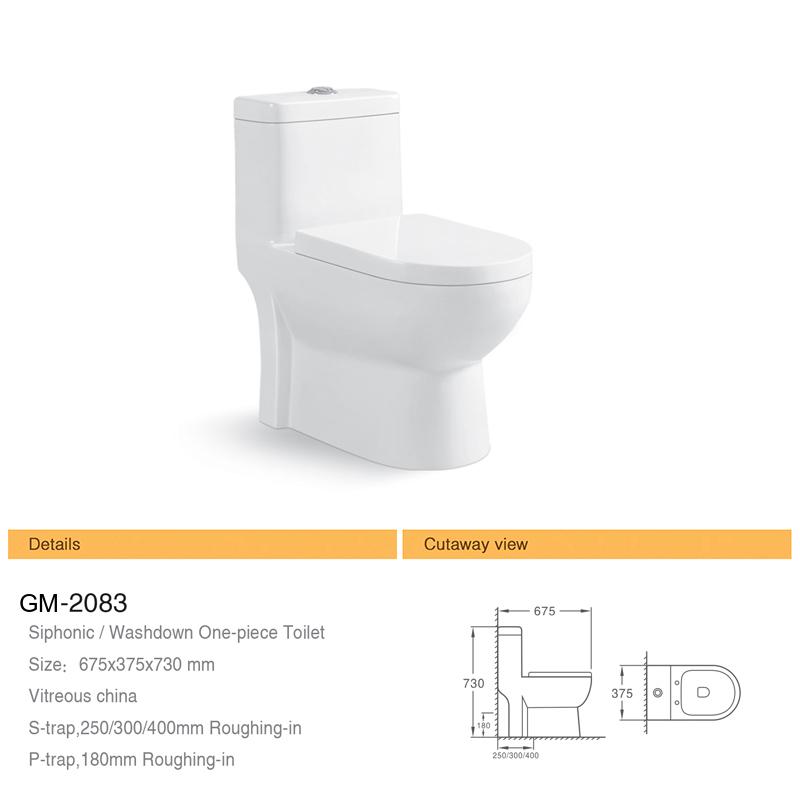
For S-trap toilets, rough-in is the distance from the wall to the center of the drain outlet in the floor. In S-trap toilets, rough-ins come normally in standard distances such as 200, 250, 300 and 400 mm.
For P-trap toilets, the rough-in is the distance is all the way around: from the floor to the center of the drain outlet in the wall. The most common rough-in in P-trap toilets is 180 mm.
Some toilets can be adjusted to have different rough-ins. for example, the one-piece toilet LX-2083 can be either P-trap 180 mm or S-trap 250, 300, 400 mm. Client must be aware of it and know what the standard in his country is. For instance, the most common rough-in in USA is 12” (300 mm) as well as in some Latin American countries which took the plumbing customs from USA. For some other countries like Chile or Jamaica, P-trap 180 mm rough-ins are very common and may co-exist with S-traps.
Flushing systems
The modern invention of flushing toilets goes back to about a century ago when Wash Down toilets were invented in Europe where they are still very popular.
On the other hand, siphonic toilets were invented later in USA where they are the standard for the market.
Wash down
The flushing functioning of these toilets are based on gravity meaning the water is flushed by the outlet valve in the tank and its falling force pushes the waste through the trap.
Wash down toilets have a very shorter trap which makes them normally smaller in length. They also look like skirted toilets because they do not have large trap ways as siphonic toilets do.
The diameter of the trap way is normally larger than siphonic toilets, so it helps prevent clogs.
Siphonic
Siphonic toilets functioning is based on gravity as Wash Down toilets but also on the physical discovery of the siphon which very simply explained is the way in which water tends to level between two sides once they are connected through a pipe, in this case the trap way.
To make a siphon effect, the trap way needs to have certain longitude and that is why the trap way is longer than other toilets and traditionally visible.
Siphon jet
Siphon jet was included later to siphonic toilets and it consists of a water jet in the base of the bowl which helps push waste even more into the pipe, giving the toilet extra flush power.
There are many sanitary ware certifications for plumbing codes/norms in the world and so are standards. Certifications are approvals that third-party entities grant to the producers who meet certain production standard which complies a norm or code.
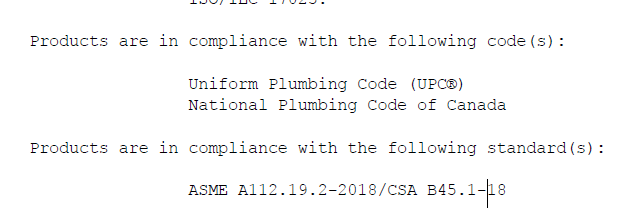
There are several norms or codes such as the American, Canadian, Mexican, Colombian, Chilean, Chinese, Japanese and so on. Those plumbing codes may share -or not- the same standard. The Colombian norm, for instance, refers to the same American standard ASME A112.19.2-2018/CSA B45.1-18 as well as the Canadian code:
c-UPC
The UPC certification stands for Universal Plumbing Code in United Stated and and “c” stands for an extension to the Canadian plumbing code. Then both countries’ code share the same Standard as mentioned above set by the American Society of Mechanical Engineers (ASME).
The c-UPC is a complex certification process. No many factories can pass this revision because to meet the standard is quite demanding regarding quality assurance and products compliance. Factory audits and product testing are performed by the certification body, and adjustments must be done to meet the standards. This is also a very expensive process because the certificate must be renewed each year.
The certification is a guarantee to clients that products marked as UPC comply with the American plumbing code and therefore products will not have problems on installation or connection with the plumbing system in the country: tubes, sewage system, flanges, inlet valves, threads or so on.
The certification also requires certain performance and functioning test which products must comply with. For toilets, the flushing performance is a minimum of 250 grams evacuation capacity and maximum 6 liters per flush.
It also establishes a set of rules regarding the finish to prevent appearance flaws such as pin holes and many more.
For basins, the rules are clear regarding the drain flatness and roundness to guarantee the perfect functioning of the drain valve.
On conclusion, this certification Lovex Sanitary Ware has proudly achieved by a thorough revision process of its products and production, grants great satisfaction to our consumers and tranquility to our distribution network around the world who know they are supported by a solid factory research and development team.
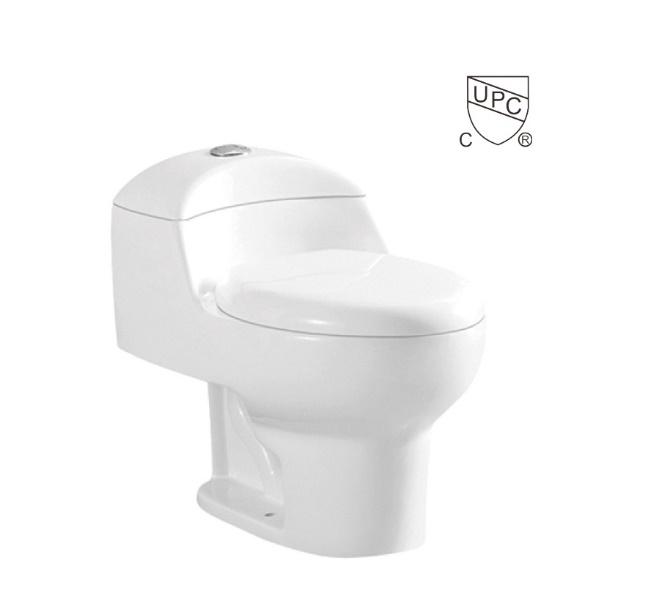
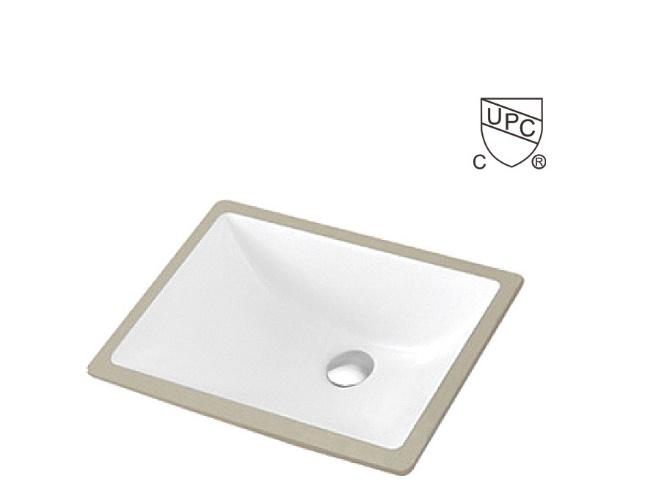
Please find our certified products marked in our catalogue with the c-UPC logo, like this:
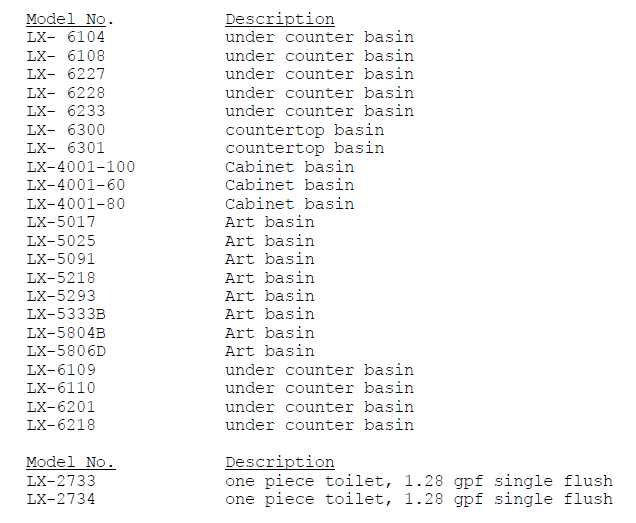
List of current certified products:
File No. 11521
File No. 11522
Water Sense
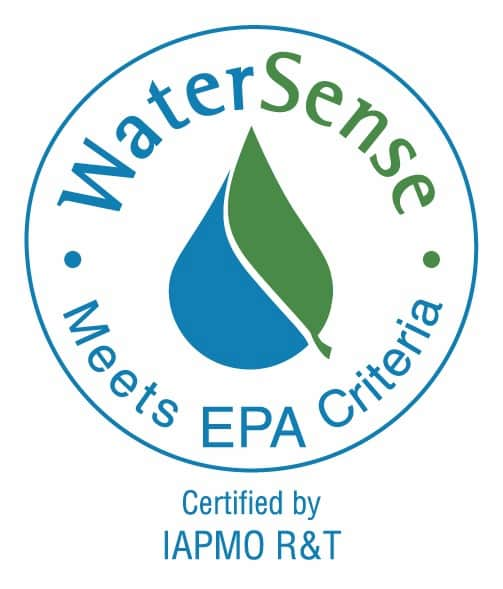
Water Sense is a certification aimed to save water in the United States. It is granted to toilets which are High Efficiency Toilets (HET). It means they use 20% less water than the standard 6 liters flush toilet. So, water sense toilets flush in average a maximum of 4.8 liters.
Consumers with Water Sense Certified Toilets can apply for rebates on the monthly water bills to utilities companies within United States.
Consumer should look for the Water Sense label in the toilets:
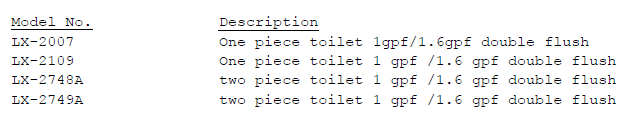
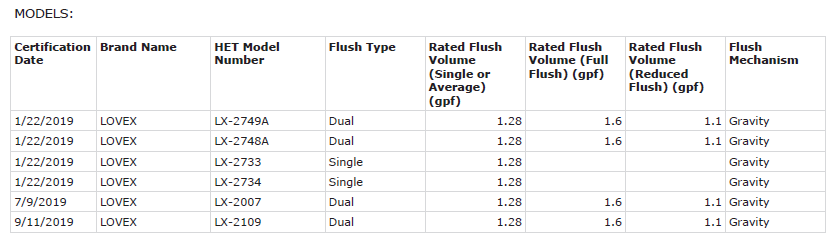
We proudly introduce to you our Certified toilets:
File No. 11523
Main facts by EPA.gov:
“Recent advancements have allowed toilets to use 1.28 gallons per flush or less while still providing equal or superior performance. This is 20 percent less water than the current federal standard of 1.6 gallons per flush. The WaterSense label is used on toilets that are independently certified to meet rigorous criteria for both performance and efficiency. Only water-saving toilets that complete the certification process can earn the WaterSense label.
Toilets are by far the main source of water use in the home, accounting for nearly 30 percent of an average home’s indoor water consumption. Older, inefficient toilets that use as much as 6 gallons per flush also happen to be a major source of wasted water in many homes.
By replacing old, inefficient toilets with WaterSense labeled models, the average family can reduce water used for toilets by 20 to 60 percent—that’s nearly 13,000 gallons of water savings for your home every year! They could also save more than $140 per year in water costs, and $2,900 over the lifetime of the toilets”.
Regarding toilets, there are many types of fixtures according to the evolution of each market and its preferences which may vary depending on the purchasing power, customs or even ethnography or physiology. Buyers should plainly identify these fixtures and what underpins them to take an informed decision.
Western (sitting) toilets
The western toilet developed from very early as sitting toilets so people could rest over the fixture to dispose. Some toilets in this category are one piece, two piece and wall hung toilets with a minimum bowl height of about 38 cm up to 48 cm. All modern sitting toilets have a water seal so they flush themselves with their valves that are placed inside the tank and make a set with the seat lid, tank, flushing valves and bowl. This is where most of the fluid engineering has been focused in the past century with real breakthroughs such as Wash down, Siphonic, Rimless, Vortex flushing systems, among other inventions, to ensure a better experience in comfort and hygiene.
Eastern (squating) toilets
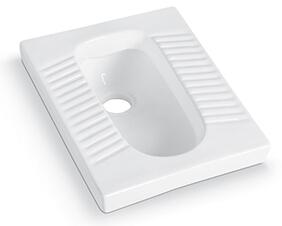
On the other hand, we have the squat toilets which are very common in Asia, especially in China. These type of toilets are generally cheaper than sitting ones since they are more basic and consist of a pan in the floor where people squat to defecate which is alleged to be the best way for human beings to defecate since this is a more natural posture rooted to our primitive beginning.
Some come with a separate water tank or flush valve and flush as western toilets by activating a lever. Others are just dry toilets with a hole in the ground resembling an old latrine.
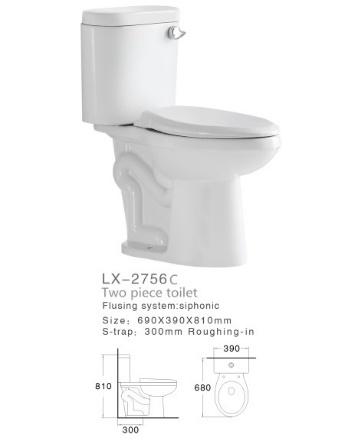
Two pieces toilets
Two pieces toiletsare made of two parts: tank and bowl and they normally go in two separate cartons. They are assembled by the plumber in the construction site. 2 pcs toilets are normally cheaper than one piece and the production is more massive.
They may need special attention, particularly in the joint between tank and bowl where the rubber may crystallize in time.
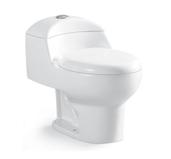
One-piece toilets
One-piece toilets are made in a single piece. They are the evolution of the traditional two pieces toilets. They evolved to have no leaking because they have no connection between tank and bowl where water could find its way out and to be easier to transport in just one carton per set instead of two, though heavier and larger. They are normally more expensive because they are solidly constructed in one piece where there are no joints and gaps between tank and bowl where dirt can accumulate. They require less maintenance and the cleaning is easier.
Conceal cistern/wall hung toilets
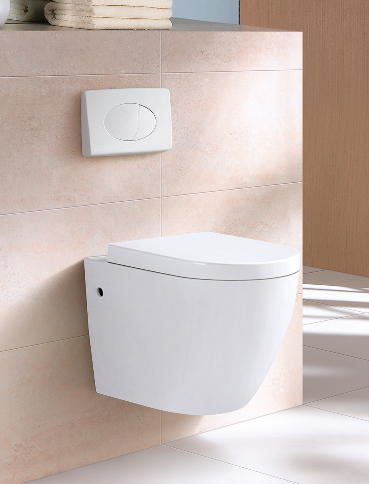
This type of toilets is normally P-trap and have a Wash Down flushing system.
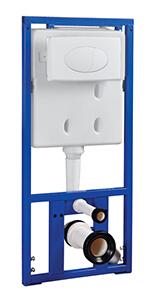
They come with concealed cisterns (see picture on the left side) which makes them more beautiful because the tank is not at sight due to it is hidden in the wall. These types of toilets are more expensive since users must buy both the cistern and toilet.
There are some floor standing toilets with concealed cisterns, but the most distinguishable toilets with concealed cisterns are wall hung toilets due to they offer a cleaner sensation to users because people can mop under it which is impossible in traditional floor standing toilets. These floating toilets are also more sophisticated.
Toilet Bowls/pans
The bowl or pan of the toilet is the lower part of the toilet where two main functions are performed: water flushed by the tank and waste is removed. There are 3 key elements when talking about bowls: design, comfort, and performance satisfaction.
Bowl shape and height
Regarding toilets, the bowl is one of the most important elements for human comfort since it is where they sit so people look for a comfortable “chair” where they may spend many hours of their lives. The features involved in the comfort are shape (Round or Elongated) and height (Standard or Chair Height).
Elongated
Elongated toilet bowls are more comfortable when sitting, specially for men because the bowl is longer so there is more space in the bowl. This type of toilets is more difficult to install in small bathrooms due to total length is larger than round ones.
We normally classify the bowl shape as elongated when the size of the bowl from the toilet hinges to the edge is longer than 18.62” or 47.29 cm. But some 17” count as well because it really depends very much on the actual shape of the bowl.
Round
Round bowl toilets are smaller in the total length than elongated then they are preferred for economical mass built apartments in developing countries where apartments are designed very small for large groups of people and so are their bathrooms. This restricts round toilets only to these small mass-built apartments due to elongated bowl toilets don’t fit in those bathrooms.
Chair height: (more than 17”)
Chair height toilets are those which bowl height is at least 16.3” without the seat. Since the ADA (American Disability Act, an USA law to make spaces friendly to disabled people) requires more than 17” height toilet bowls, it is acceptable to include the seat to make it an ADA compliant toilet due to people normally use the seat (not included the lid) and the seat increases 1”.
ADA toilets are also called Chair Height toilets because people with wheelchair can easily approach the bowl. These ADA toilets are comfortable not only for people with disabilities but also for some ethnics which average body height is more than normal such as American or Europeans. These are much required for those countries because tall people can seat comfortably.
Standard height (Less than 17”)
Standard height toilets are those which bowl height is less than 17”. They are normally 38, 39, 40 or 41 cm height regarding the bowl height. These are considered normal toilets in countries with low average body height like Latin America, Asia and so on. These toilets are also called familiar toilet because the height takes into consideration many members of the family who are smaller, for example children.
Bowl design
Bowls design is also key feature in the consumer buying process since they may like something modern as a skirted trapway or traditional such as visible trapway. It depends very much on the consumer preference on the area or country. So, we have predominance of traditional toilets in States like Texas or Georgia but in Florida the Modern skirted toilet is much preferred regarding the USA.
In other countries such as Latin American countries, we can easily find both styles but a predominance of visible traps for low budget toilets. Modern skirted toilets are regarded as luxurious.
Skirted Trap
Skirted trap toilets are those which trapway is covered by a glazed ceramic wall, so the trap is not visible. This type of toilet is considered more sophisticated and easier to clean due to its flat vertical skirt prevents the accumulation of dust on comparison to the visible trap toilet which bended trap usually accumulates dirt. The skirt is more reachable for people to clean as well.
Visible Trap
Traditional visible trap toilets are the first siphonic toilets to appear on scene in the market. Their main characteristic is that the trap is noticeable.
Flushing Type
Toilet flush performance satisfaction is noticeable in the bowl evacuation way. Some toilet bowls may flush in one way or another through their water jets and it affects the consumer perception because that flushing is visible in the bowl. People can see how water cleans the bowl, how well the waste is removed and so many other variables. On this regard, we have several flushing types: Multi-jet Rim, Rimless and Vortex. Each of them offers different consumer perception and satisfaction.
Multi Jet Rim
Multi Jet rim toilets consist of several small vertical jets in the bottom of the rim bowl where tank water exists very quick running down the bowl and into the trapway. These toilets are the most common ones and the standard in China.
There are some designs which may have no jets but an opened rim instead which are normally produced by Latin American factories for economical mass production toilets.
Rimless
Rimless bowl toilets are those that do not have rim where water can run through. Instead, they have two big water outlets in the back which flush water through the front of the bowl and then into the trapway.
They have the advantage of having no rim because small multi jets in the rim usually get stuck in time with water mineral accumulations.
The Rim in the toilets also accumulates bacteria underneath then rimless toilets are more hygienic in comparison. Picture of rimless toilet LX-2761 for reference:
Vortex
A Vortex is mass of water that spins round so fast that it pulls downs into the center. This effect is achieved by toilets which have only two or three big jets below the rim in a horizontal way, so water runs throughout the bowl and into the trapway. These toilets may be the most hygienic of all because they bowl is rinsed by water completely and several times.